
Discover how anti-inflammatory eating patterns, hormone-supportive foods, and gut-friendly nutrition can help manage endometriosis symptoms—plus get access to two done-for-you Endometriosis Support meal plans.
If your clients are living with endometriosis, they know the daily challenges: pelvic pain, fatigue, digestive discomfort, and the frustration of finding reliable nutrition guidance that actually helps. While medical treatment remains essential, nutrition for endometriosis is gaining recognition as a powerful complementary strategy that can make a real difference in symptom management and quality of life.
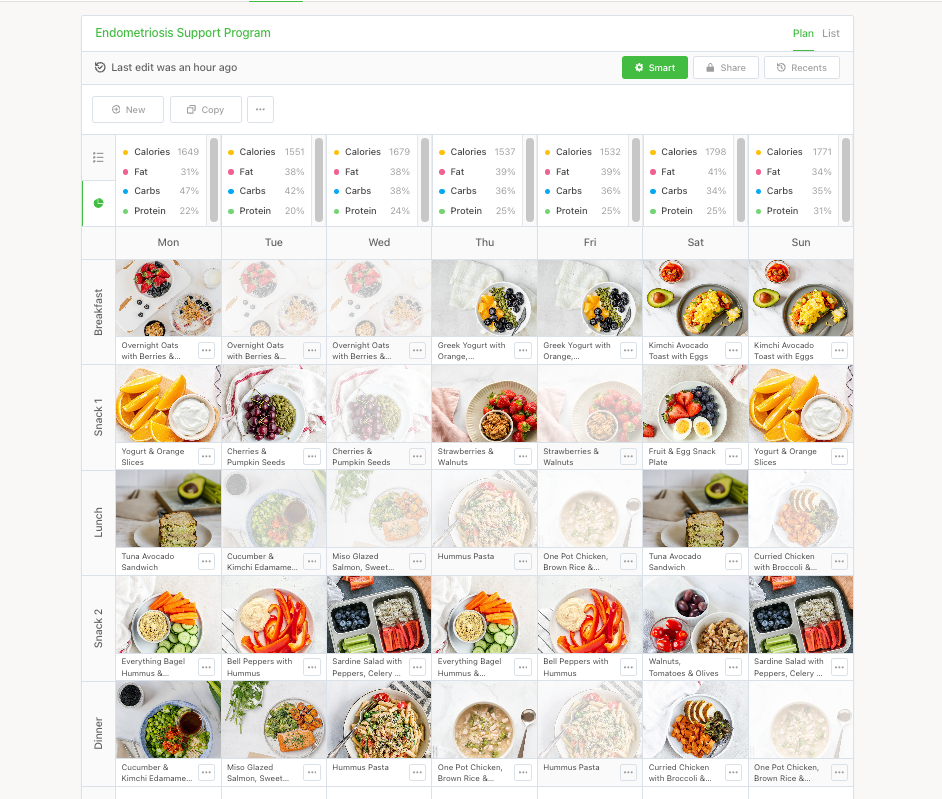
To support your work with clients managing endometriosis, we've created two new done-for-you meal plan templates: Endometriosis Support Program and Plant-Based Endometriosis Support Program.
These nutrient-dense plans are designed to help reduce inflammation, support hormone balance, nourish gut health, and provide practical meal solutions that work even on low-energy days.
In this blog, we'll explore the evidence behind nutrition strategies for endometriosis and how these new programs can support better outcomes for your clients.
Why Nutrition Matters for Endometriosis
Endometriosis is a chronic inflammatory condition affecting approximately 10% of individuals of reproductive age. It's characterized by the growth of endometrial-like tissue outside the uterus, leading to pain, inflammation, and potential fertility challenges.
Research suggests that dietary patterns can influence endometriosis symptoms through several mechanisms:
- Reducing systemic inflammation and oxidative stress
- Supporting healthy estrogen metabolism and elimination
- Nourishing gut health and the microbiome
- Addressing potential nutrient deficiencies common in endometriosis
- Managing overlapping gastrointestinal symptoms
The new Endometriosis Support Programs translate these evidence-based strategies into practical, delicious meal plans that clients can easily follow.
What's Inside the Endometriosis Support Meal Plans?
Both templates, the Omnivore Endometriosis Support Program and the Plant-Based Endometriosis Support Program, are built around five key nutrition strategies supported by current research.
Template Overview
Omnivore Endometriosis Support Program
- 7-day meal plan with breakfast, lunch, dinner, and snack options
- Includes lean proteins like fish, poultry, and eggs alongside plant-based options
- Built-in grocery list organized by section of the grocery store
- Prep guide to stay organized and save time
- Balanced for anti-inflammatory fats, fiber, macros, and key micronutrients
- Best for: Clients who prefer omnivore eating patterns and want protein variety
Plant-Based Endometriosis Support Program
- 7-day meal plan with breakfast, lunch, dinner, and snack options
- Features plant proteins like lentils, tofu, and chickpeas
- Built-in grocery list organized by section of the grocery store
- Prep guide with batch cooking for efficiency
- Rich in plant-based omega-3s (chia, flax, hemp, walnuts), fiber, and iron sources
- Best for: Clients following plant-based diets or wanting to reduce animal products
Both templates are fully customizable in That Clean Life. You can adjust servings, swap recipes based on preferences or intolerances, and use filters to further personalize each plan.
Evidence-Based Dietary Strategies for Endometriosis
1. Anti-Inflammatory Dietary Pattern
Why it matters: Endometriosis is fundamentally an inflammatory condition. Chronic inflammation contributes to pain, tissue damage, and symptom severity.
An anti-inflammatory diet, rich in vegetables, fruits, whole grains, legumes, nuts, seeds, olive oil, herbs, and spices, has been associated with reduced inflammation markers and improved symptom burden in endometriosis.
In the templates:
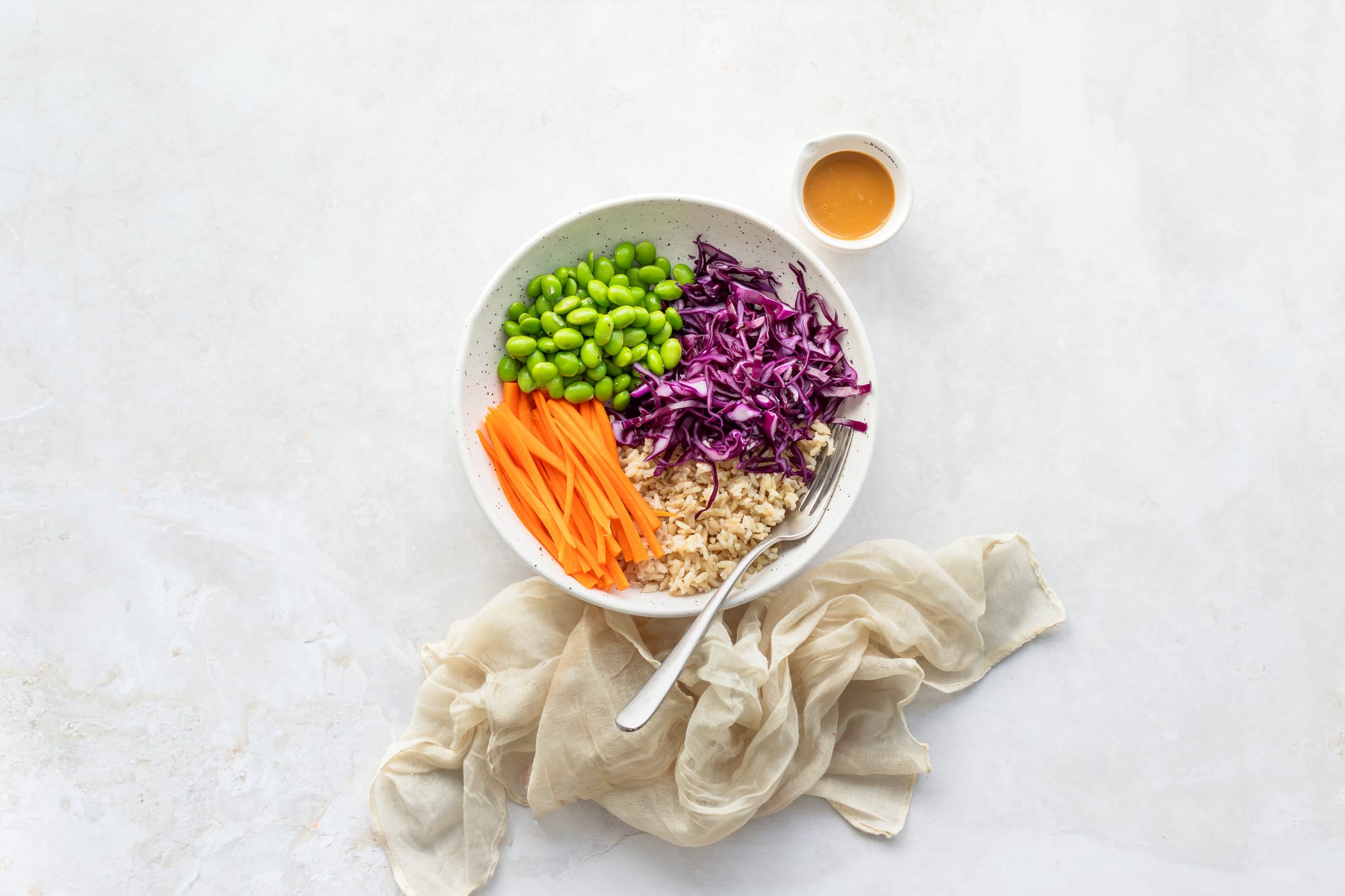
- Colorful vegetables in every meal (leafy greens, bell peppers, tomatoes, cruciferous vegetables)
- Antioxidant-rich fruits like berries and citrus fruits
- Plant proteins like beans and legumes
- Extra virgin olive oil as the primary cooking oil
- Nuts and seeds for snacks and recipe additions
What you won’t find in the templates:
- Processed and fried foods that promote inflammation
- Sugary snacks and beverages
2. Micronutrient-Rich Foods for Immune Function and Energy
Why it matters: Research indicates that individuals with endometriosis may have lower levels of certain vitamins and minerals, including vitamin B12, folate, iron, thiamin, vitamin C, and vitamin E. Diets rich in vegetables, fruit, antioxidants, and omega-3 fatty acids have been associated with a lower risk of endometriosis and may help reduce oxidative stress and inflammation-related pain. These nutrients play crucial roles in supporting immune function, energy metabolism, and antioxidant defenses—all of which are important for managing endometriosis symptoms.
In the templates
This plan emphasizes foods that provide key nutrients for endometriosis support:
- Vitamin B12: salmon, eggs, chicken, fortified nut milks and soy
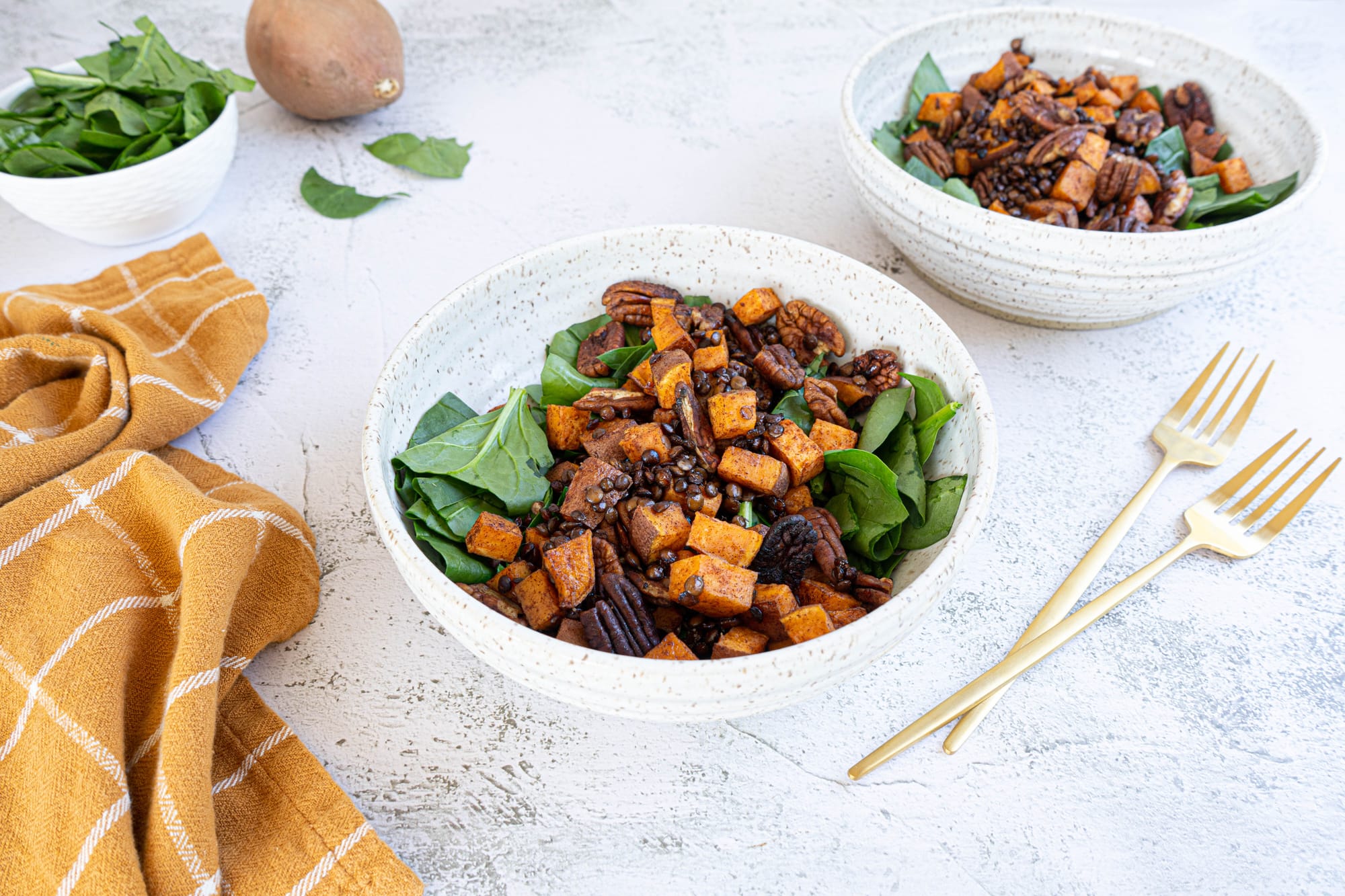
- Folate: leafy greens (spinach, arugula), lentils
- Iron: lean poultry, leafy greens, pumpkin seeds
- Thiamin: legumes, fish, whole grains, pecans
- Vitamin C: citrus fruits, bell peppers, strawberries, broccoli
- Vitamin E: avocado, nuts and seeds, kiwi, fish
- Omega-3 fatty acids: salmon, sardines, walnuts, chia seeds

3. High-Fiber Foods for Estrogen Balance
Why it matters: Excess estrogen can contribute to inflammation and pain in endometriosis. Fiber supports estrogen metabolism and elimination by promoting healthy digestion and regular bowel movements. A fiber-rich diet also feeds beneficial gut bacteria that help regulate hormones and reduce inflammation.
Both plans provide abundant fiber from diverse sources, aiming for 25-35+ grams daily.
In the templates:
- Whole grains: oats, brown rice
- Legumes
- Vegetables and fruits with each meal
- Nuts and seeds
This fiber-rich approach helps promote regular bowel movements and supports a healthy gut microbiome, both of which are important for maintaining hormone balance. Limiting highly processed foods and added sugars helps support a more favorable hormonal environment and is associated with reduced endometriosis risk.
4. Gut-Friendly Foods for Digestive Comfort
Why it matters: Gastrointestinal symptoms and digestive discomfort are common concerns for individuals with endometriosis, with many experiencing bloating, constipation, or overlapping irritable bowel syndrome (IBS). Supporting gut health can improve both digestive comfort and inflammatory status.
In the templates:
- Fermented foods: sauerkraut, kimchi, miso, and dairy and plant-based yogurts
- Prebiotic fibers from oats, bananas, and vegetables
- Diverse plant foods to support microbiome diversity
These foods provide fiber, prebiotics, and antioxidants that support regular digestion, nourish beneficial gut bacteria, help reduce gut inflammation, and contribute to a healthier digestive environment.
5. Quick & Simple Meals for Energy Support
Fatigue and pain are common in endometriosis and can make shopping and cooking more challenging. This plan focuses on quick, simple meals that can be prepared with minimal standing time and ingredients. Batch cooking, pre-chopped vegetables, pantry staples (like canned beans and tuna), and ready-to-heat whole grains make nutritious eating more manageable on low-energy days.
Example Recipes in These Plans
- Miso Glazed Salmon, Sweet Potato & Broccoli
- Overnight Oats with Berries & Walnuts
- Peanut Butter Protein Yogurt with Blackberries
- Sardine Salad with Peppers, Celery & Blueberries
- Strawberries & Walnuts snack
- One Pot Chicken, Brown Rice & Bean Soup
- Lemony Lentil & Spinach Pasta
Start Supporting Your Clients with Evidence-Based Endometriosis Nutrition
Nutrition isn't a cure for endometriosis, but it's a powerful tool for symptom management and overall wellness. A strategic, anti-inflammatory eating pattern can help your clients feel more in control, reduce pain and fatigue, and support their long-term health.
Support your clients with disease and symptom management and explore the new Endometriosis Templates.